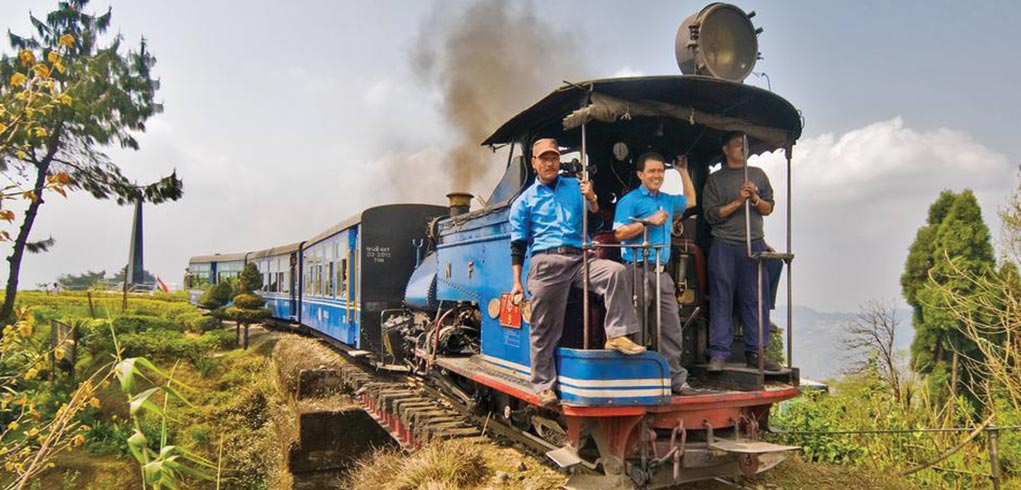
That’s an important point you’ve raised. The Darjeeling Himalayan Railway (DHR), popularly known as the “Toy Train,” is a UNESCO World Heritage Site, but many visitors notice that the Darjeeling railway station area is not as clean or well-maintained as one would expect for such a heritage landmark.
Here are some key reasons why this happens:
1. Infrastructure & Maintenance Gaps
- The Darjeeling Himalayan Railway is over 140 years old, and much of its infrastructure is outdated.
- Budget allocations often focus more on running the train rather than station cleanliness or modernization.
- Unlike larger Indian Railways stations, DHR stations receive less priority in terms of funds and manpower.
2. Tourist Footfall & Local Crowding
- Darjeeling town is heavily crowded during tourist season.
- The station area becomes congested with taxis, street vendors, and passengers, which increases litter.
- Waste management systems in Darjeeling town itself are under pressure, and the station is affected by this larger issue.
3. Lack of Coordination
- The DHR is managed by Indian Railways, but the surrounding station area often falls under local municipal authority.
- Coordination between railway staff and Darjeeling municipality for cleaning and waste disposal is not always smooth.
4. Awareness & Civic Habits
- Littering by passengers and vendors contributes to the problem.
- Unlike airports or premium railway stations, heritage stations often lack strict monitoring or penalties for littering.
5. Conservation vs. Modernization Dilemma
- Since DHR is a heritage property, heavy modernization is restricted.
- Authorities often struggle to balance “heritage look” with modern amenities like proper waste bins, drainage, or tiled flooring.
What’s being done (or can be done):
- Indian Railways and UNESCO have collaborated on conservation projects for DHR, but focus is more on tracks and trains than station surroundings.
- Initiatives like Swachh Bharat Abhiyan have improved cleanliness in some areas, but Darjeeling station still needs stricter enforcement.
- Heritage tourism groups and NGOs have suggested “Adopt-a-Station” models where local businesses or tour operators help maintain the station.
Here's a complete Nepal tour itinerary that covers cultural landmarks, natural beauty, adventure, and spiritual sites. This plan spans 12 Read more

Here are 10 of the top world tour destinations in 2025, based on travel trends, cultural richness, natural beauty, and Read more
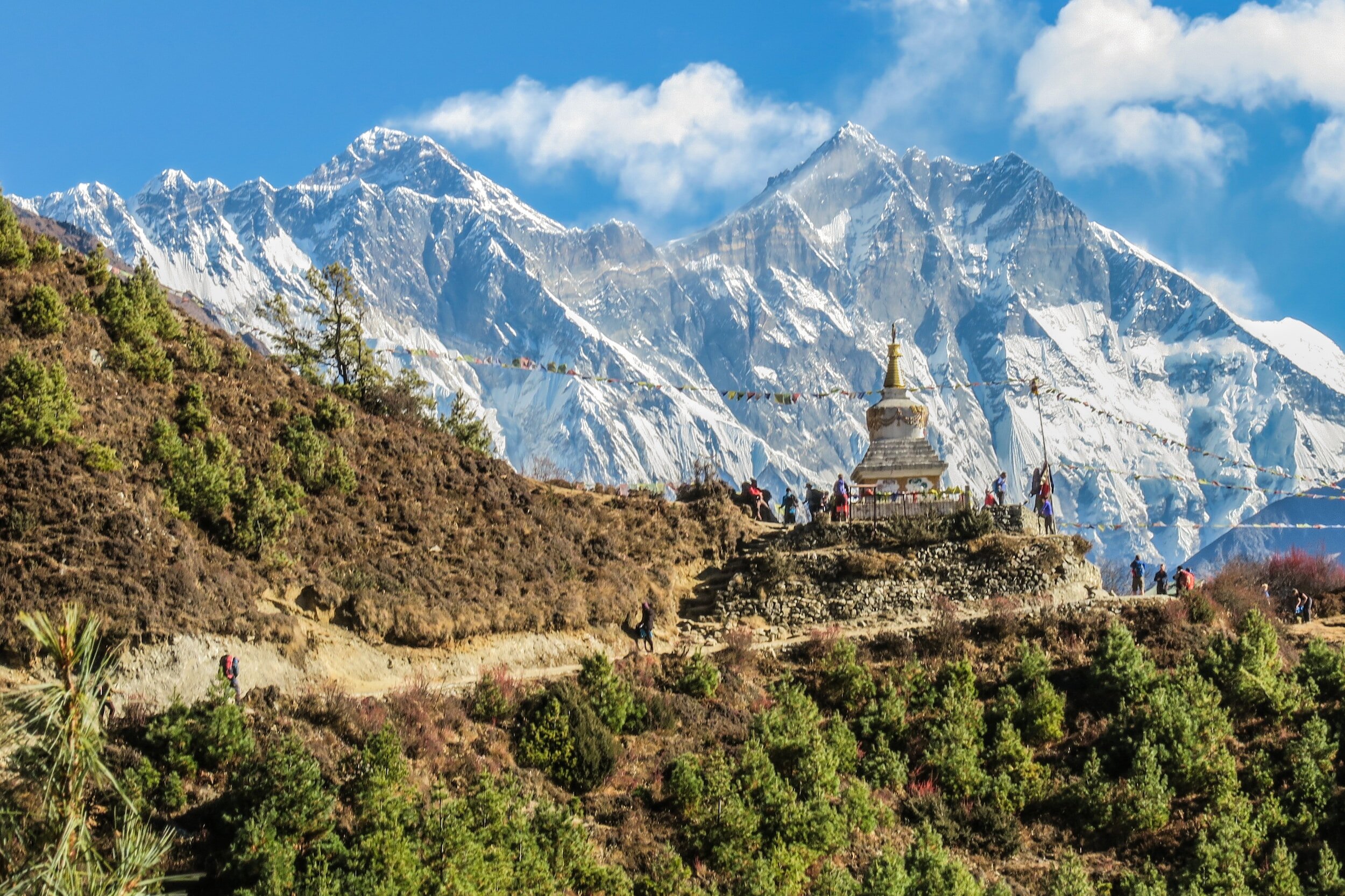
Planning a Nepal tour from India? Discover the best travel routes, tour packages, visa info, and must-visit places in Nepal Read more

Best luxury villas in north goa - Here’s a list of top-rated luxury villas in North Goa that offer premium Read more