Here are some of the best offbeat travel destinations in Nepal forever—perfect for travelers looking beyond the mainstream Kathmandu–Pokhara–Everest triangle:
🌄 Offbeat Travel Destinations in Nepal
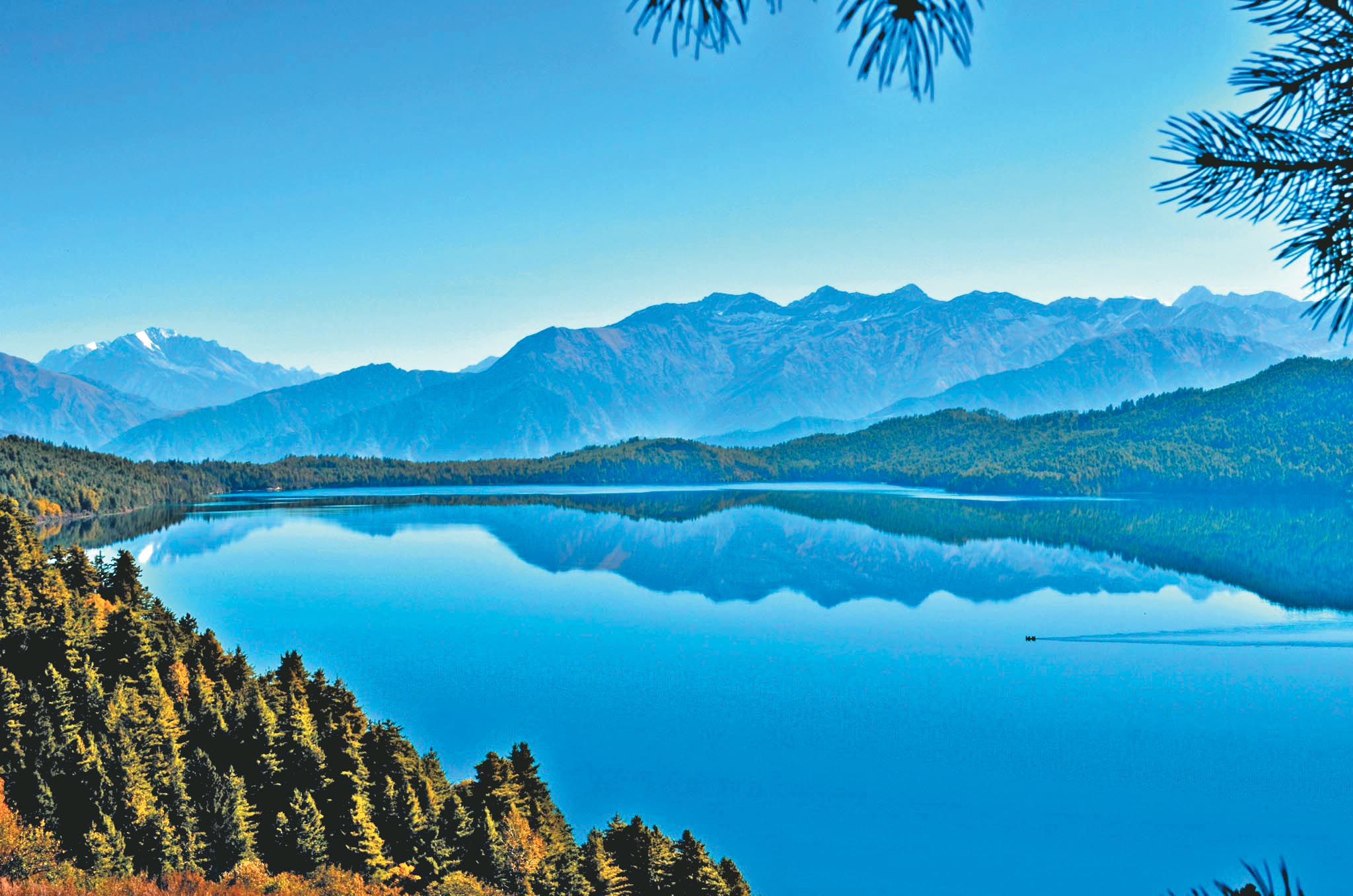
1. Rara Lake (Mugu District)
- Why Go: Nepal’s largest and most pristine lake, nestled in Rara National Park.
- Highlights: Remote alpine beauty, camping, stargazing, boating.
- Best Time: April–June & September–November.
2. Upper Mustang
- Why Go: A hidden Tibetan kingdom within Nepal.
- Highlights: Lo Manthang, desert-like landscapes, ancient caves, Tibetan Buddhist culture.
- Permit Required: Yes (restricted area permit).
3. Khopra Danda (Khopra Ridge Trek)
- Why Go: Less crowded alternative to Annapurna Base Camp.
- Highlights: Panoramic views of Dhaulagiri, Machhapuchhre, and Annapurna South.
- Best For: Peaceful trekking with fewer trekkers.
4. Tsum Valley (Manaslu Region)
- Why Go: Sacred Himalayan valley with strong Tibetan Buddhist influence.
- Highlights: Ancient monasteries, traditional villages, meditation caves.
- Permit Required: Yes (special trekking permit).
5. Bardia National Park
- Why Go: A quieter alternative to Chitwan for wildlife safaris.
- Highlights: Wild elephants, tigers, rhinos, river rafting.
- Ideal For: Nature lovers, photographers, and wildlife enthusiasts.
6. Panch Pokhari (Sindhupalchok)
- Why Go: Sacred five glacial lakes at 4,100 meters.
- Highlights: Spiritual trek, unspoiled Himalayan vistas, cultural homestays.
- Trek Duration: 6–7 days from Kathmandu.
7. Ilām & Antu Danda (Eastern Nepal)
- Why Go: Nepal’s tea capital with lush plantations and sunrise points.
- Highlights: Antu Danda viewpoint, Shree Antu homestays, organic tea gardens.
- Perfect For: Slow travel, village tourism, and photography.
8. Dhorpatan Hunting Reserve
- Why Go: The only hunting reserve in Nepal, rich in biodiversity.
- Highlights: Blue sheep, lush pastures, rugged trekking routes.
- Ideal For: Adventure seekers and wildlife trackers.
9. Chepang Hills (Chitwan–Dhading Region)
- Why Go: Cultural trek through the settlements of the indigenous Chepang people.
- Highlights: Forest trails, homestay experiences, cave exploration.
- Great For: Ethnographic tourism.
10. Pathibhara Devi Temple (Taplejung)
- Why Go: Sacred site for both Hindus and Buddhists with stunning Himalayan views.
- Highlights: Pilgrimage trail, Kanchenjunga vistas, local folklore.
🧭 Travel Tips
- Local guides: Recommended for remote treks (Tsum Valley, Upper Mustang, Dhorpatan).
- Connectivity: Internet and phone networks can be limited in offbeat regions.
- Permits: Trekking Information Management System (TIMS) and special permits may be required.
🏔️ Hidden Gems of Nepal: Top 7 Offbeat Destinations forever
Meta Description:
Discover offbeat travel destinations in Nepal—from pristine Rara Lake to mystical Upper Mustang. Get detailed itineraries, travel tips, and hidden gems perfect for 2024 adventures.
✨ Why Explore Offbeat Nepal?
While Everest and Pokhara dominate the tourist trail, Nepal’s lesser-known gems offer raw beauty, rich culture, and solitude that’s hard to find elsewhere. Whether you’re a trekker, spiritual seeker, or cultural explorer, offbeat Nepal is where magic unfolds.
🌿 1. Rara Lake – The Jewel of Mugu
🌟 Highlights:
- Nepal’s largest lake (3,000+ meters)
- Rara National Park wildlife
- Boating & stargazing
🗓️ Sample Itinerary (5 Days):
Day 1: Fly Kathmandu → Nepalgunj
Day 2: Nepalgunj → Talcha (by flight) → trek to Rara Lake
Day 3: Explore Rara Lake and surroundings
Day 4: Return trek to Talcha
Day 5: Fly back to Kathmandu
🏯 2. Upper Mustang – The Lost Tibetan Kingdom
🌟 Highlights:
- Forbidden walled city of Lo Manthang
- Caves of Chhoser
- Red-cliff canyons and barren landscapes
🗓️ Sample Itinerary (10–12 Days):
Day 1-2: Drive or fly to Jomsom
Day 3-7: Trek through Kagbeni, Chele, Syangboche, and Charang
Day 8-9: Explore Lo Manthang
Day 10-12: Return to Jomsom and fly to Pokhara/Kathmandu
🛂 Restricted area permit required
🏞️ 3. Khopra Danda – Annapurna’s Quiet Balcony
🌟 Highlights:
- Annapurna & Dhaulagiri views
- Khayer Lake side trek
- Fewer trekkers, more serenity
🗓️ Sample Itinerary (7 Days):
Day 1-2: Kathmandu → Pokhara → drive to Ghandruk
Day 3-5: Trek to Tadapani → Dobato → Khopra Danda
Day 6-7: Hike to Khayer Lake (optional) → descend to Pokhara
🌸 4. Tsum Valley – The Hidden Buddhist Valley
🌟 Highlights:
- Monasteries like Mu Gompa
- Meditation caves and yak herding villages
- Tibetan Buddhism culture
🗓️ Sample Itinerary (12 Days):
Day 1-3: Kathmandu → Soti Khola → Machha Khola
Day 4-8: Trek through Lokpa, Chumling, Chhokang Paro to Mu Gompa
Day 9-12: Return via same route
🛂 Manaslu Conservation Permit + Restricted Area Permit required
🐅 5. Bardia National Park – Nepal’s Wild West
🌟 Highlights:
- Tiger tracking, jungle walks, canoe rides
- Less touristy than Chitwan
- Tharu culture & homestays
🗓️ Sample Itinerary (4 Days):
Day 1: Fly to Nepalgunj → drive to Bardia
Day 2-3: Jungle activities & village exploration
Day 4: Return to Kathmandu
🌄 6. Panch Pokhari – Sacred Lakes of Sindhupalchok
🌟 Highlights:
- Five high-altitude glacial lakes
- Scenic village trails & rhododendron forests
- Spiritual atmosphere
🗓️ Sample Itinerary (6 Days):
Day 1: Drive from Kathmandu to Chautara
Day 2-5: Trek through Nasimpati to Panch Pokhari
Day 6: Return to Kathmandu
🍃 7. Ilām & Antu Danda – The Tea Country of Nepal
🌟 Highlights:
- Organic tea gardens
- Sunrise over Kanchenjunga
- Indigenous culture & slow village life
🗓️ Sample Itinerary (3 Days):
Day 1: Fly or drive to Bhadrapur → Ilām
Day 2: Visit Antu Danda viewpoint, tea factory, Kanyam
Day 3: Return to Kathmandu
🧭 Travel Essentials
- Permits: TIMS card + special permits for restricted areas like Mustang & Tsum
- Best Season: Spring (Mar–May) & Autumn (Sep–Nov)
- Guides: Local guides are highly recommended for offbeat treks
- Accommodations: Homestays, tea houses, and basic lodges—pack accordingly
Here’s a streamlined, detailed guide on how to obtain the Manaslu Conservation + Restricted Area Permits (RAP & MCAP), plus the Annapurna Conservation Area Permit (ACAP) required for trekking in the Manaslu region:
🛂 What Permits You Need
- Restricted Area Permit (RAP) – Mandatory for trekking between Jagat and Dharapani (within the restricted Manaslu region).
- Manaslu Conservation Area Permit (MCAP) – Required from Philim onward, covering the conservation zone.
- Annapurna Conservation Area Permit (ACAP) – Needed if your trek continues from Dharapani into the Annapurna region.
- (Optional) Tsum Valley and Chumnubri Rural Municipality permits if your route includes these areas
🧾 Permit Fees (2025/onwards)
| Permit | Season | SAARC (incl. India) & Foreigners | Nepali Citizens |
|---|---|---|---|
| RAP | Sep–Nov | USD 100 (7 days) + USD 15/day extra | — |
| Dec–Aug | USD 75 (7 days) + USD 10/day extra | — | |
| MCAP | All year | NPR 1,000 / USD 30 | NPR 100 |
| ACAP | All year | NPR 3,000 / ~USD 27–30 | NPR 100 |
✅ Step-by-Step Application Overview
- Arrange through a licensed trekking agency.
- RAP requires application via a government-registered agency, and solo trekking is not permitted—groups of at least 2 and a registered guide are mandatory .
- Prepare essential documents:
- Valid passport (≥ 6 months), Nepal tourist visa, at least two passport-size photos, copies of passport and visa, travel insurance with high-altitude coverage, and short trek itinerary .
- Submit at Nepal Tourism Board (Kathmandu or Pokhara):
- MCAP & ACAP obtained at NTB offices (Bhrikutimandap/KTM or Pokhara); RAP arranged entirely via your agency .
- Payment:
- Foreign nationals pay in USD; SAARC/Indian nationals can pay in NPR equivalent .
- Permit issuance:
- Usually processed within hours; agencies handle printing and online registration. Photos uploaded digitally for RAP; physical photos required for MCAP/ACAP
- Carry permits throughout trekking:
- Checkpoints in Jagat, Philim, Namrung, Samagaon, Dharapani, etc., require showing them to officials
⏱️ Timeline & Summary
- Arrange 1–2 days ahead of trekking—allow time for agency processing and queuing.
- Fees vary by season and nationality, but typically total around USD 200–300 for foreigners (RAP + MCAP + ACAP).
- Important: Guides, group size (≥ 2), passports, visa, photos, and permit copies are all mandatory.
✅ Quick Recap
- Use a licensed trekking agency to apply—RAP is not available to solo travellers.
- Collect MCAP and ACAP in Kathmandu or Pokhara via NTB offices.
- Be prepared with documents and payments in USD/NPR.
- Carry permits during treks—checkpoints will verify them.
Nepal is rich with offbeat destinations that go beyond the popular tourist spots like Kathmandu, Pokhara, and Everest Base Camp. Here’s a list of offbeat and lesser-known places in Nepal that offer authentic experiences, natural beauty, and cultural richness:
🏞️ Offbeat Natural Escapes
- Rara Lake (Mugu District)
Nepal’s largest lake at 2,990m, surrounded by pine forests and snow-capped mountains.
Remote and pristine — best accessed via flight to Talcha or a multi-day trek.
Ideal for solitude, photography, and reflection.
- Khaptad National Park (Far-West Nepal)
A hidden gem with alpine meadows, forests, and spiritual vibes (home of Sage Khaptad Baba).
Very few tourists, ideal for nature lovers and spiritual seekers.
- Tsum Valley (Manaslu Region)
A restricted area that requires a permit; culturally Tibetan and untouched by modernization.
Ancient monasteries, chortens, and beautiful trails.
- Barun Valley (Makalu Base Camp)
A biodiverse valley in eastern Nepal with rare flora and fauna.
Trekking here is challenging but spectacular — untouched, with few lodges.
- Dolpo Region (Upper and Lower Dolpo)
Remote Tibetan culture and landscapes, featured in the film Himalaya.
Shey Phoksundo Lake, yaks, ancient monasteries, and traditional salt trade routes.
🏔️ Less-Crowded Treks Nepal
- Mardi Himal Trek
Shorter and less crowded than Annapurna Base Camp, but with equally stunning views.
Starts from Pokhara, passes through rhododendron forests and alpine ridges.
- Pikey Peak Trek (Lower Everest Region)
Offers some of the best sunrise views of Everest.
Sir Edmund Hillary claimed it was his favorite viewpoint of Everest.
- Chepang Hill Trail
Cultural trek through indigenous Chepang villages between Chitwan and Gorkha.
Few tourists, rich in culture and wildlife.
🏛️ Cultural & Historical Villages
- Bandipur (Tanahun)
A preserved Newari town on a ridge with views of the Himalayas.
Old houses, cobbled streets, and great food.
- Panauti (Near Kathmandu)
Ancient town with temples, festivals, and homestays.
Less crowded alternative to Bhaktapur.
- Daman (Makwanpur)
Panoramic view of the Himalayan range from a hilltop.
Great for sunrise and peaceful stays.
- Balthali Village (Kavrepalanchok)
Tranquil village south of Panauti with lush greenery and traditional life.
🛕 Spiritual Spots
- Maratika Cave (Halesi Mahadev)
Sacred to Hindus and Buddhists — believed to be where Padmasambhava attained immortality.
Deeply spiritual and very few foreign tourists.
- Lumbini Beyond the Main Temple
Explore the rural Terai around Lumbini, including ancient stupas and meditation centers.
🧭 Travel Tips
Some regions (e.g., Upper Dolpo, Tsum Valley) require special permits and guided treks.
Best times to visit most areas: Spring (March–May) and Autumn (Sept–Nov).
Prepare for basic infrastructure in remote areas — limited electricity, Wi-Fi, and medical facilities.
Here's a complete Nepal tour itinerary that covers cultural landmarks, natural beauty, adventure, and spiritual sites. This plan spans 12 Read more
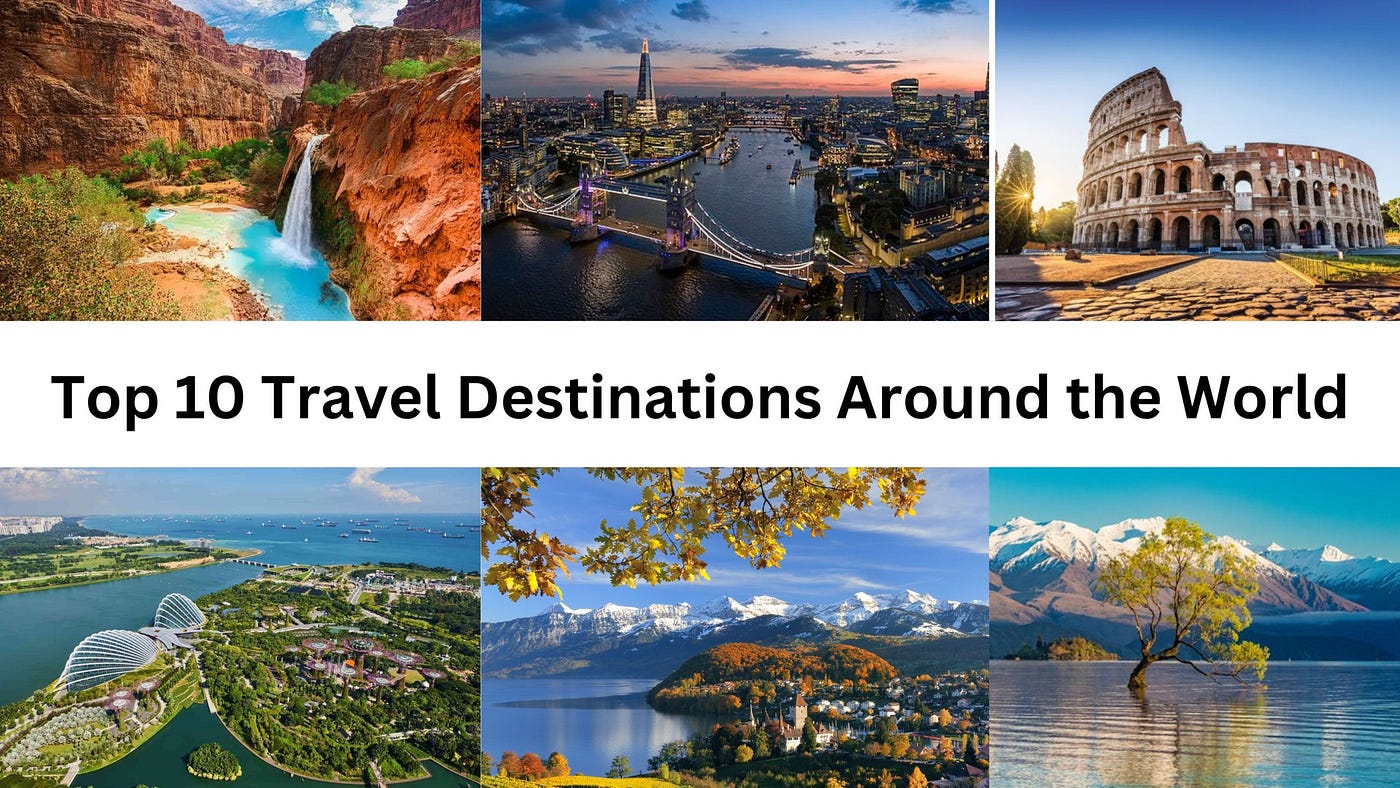
Here are 10 of the top world tour destinations in 2025, based on travel trends, cultural richness, natural beauty, and Read more
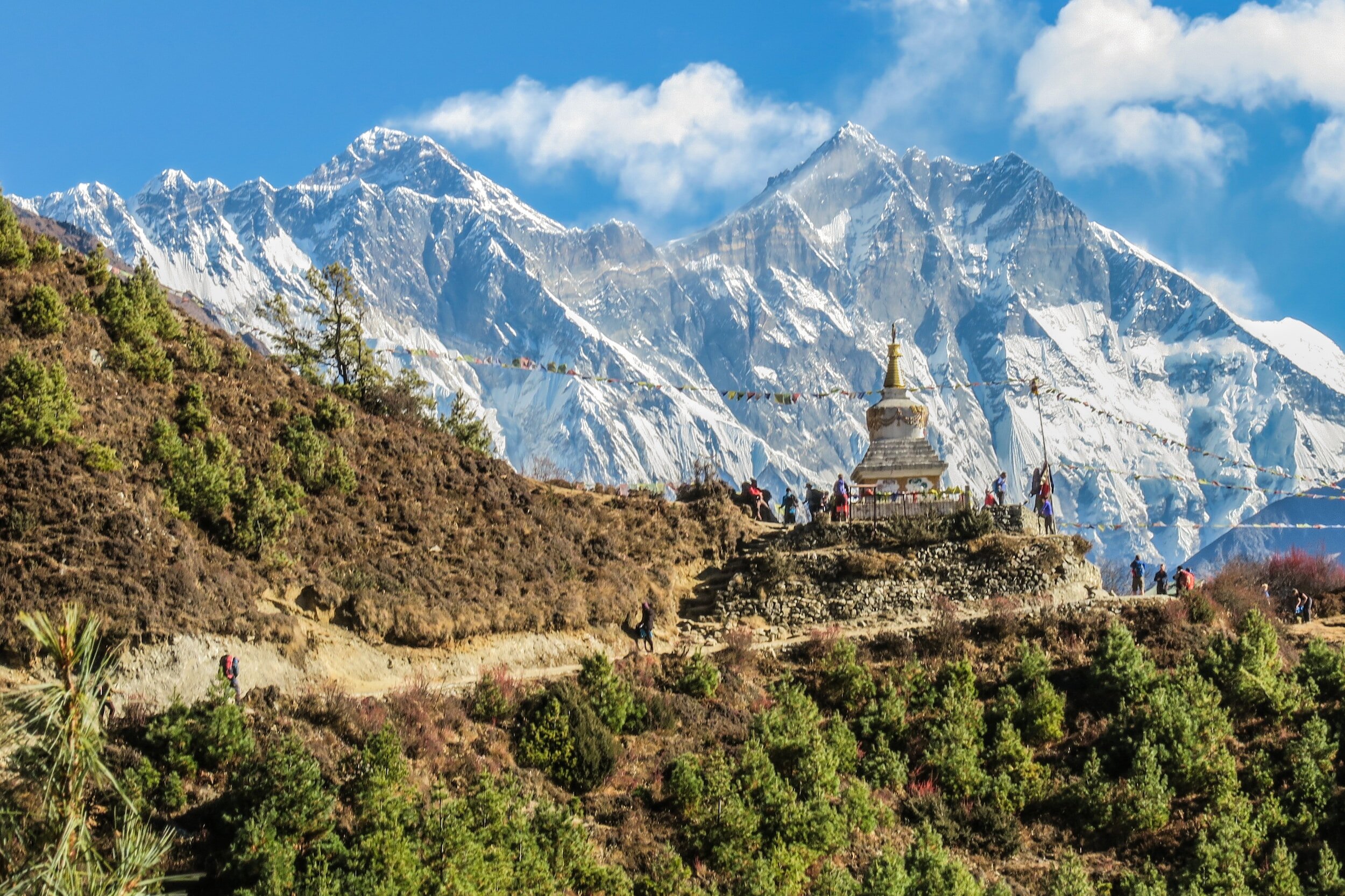
Planning a Nepal tour from India? Discover the best travel routes, tour packages, visa info, and must-visit places in Nepal Read more
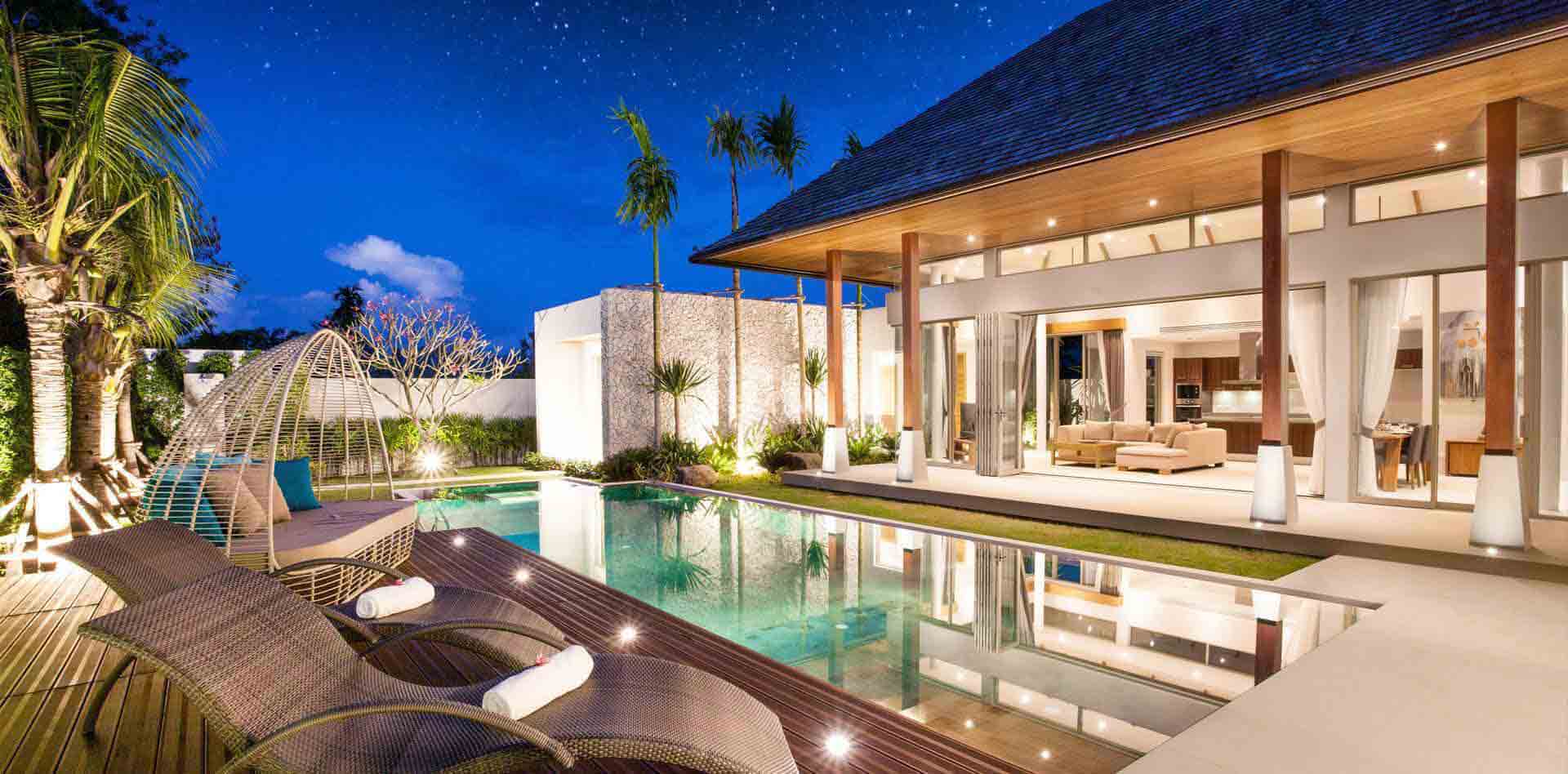
Best luxury villas in north goa - Here’s a list of top-rated luxury villas in North Goa that offer premium Read more