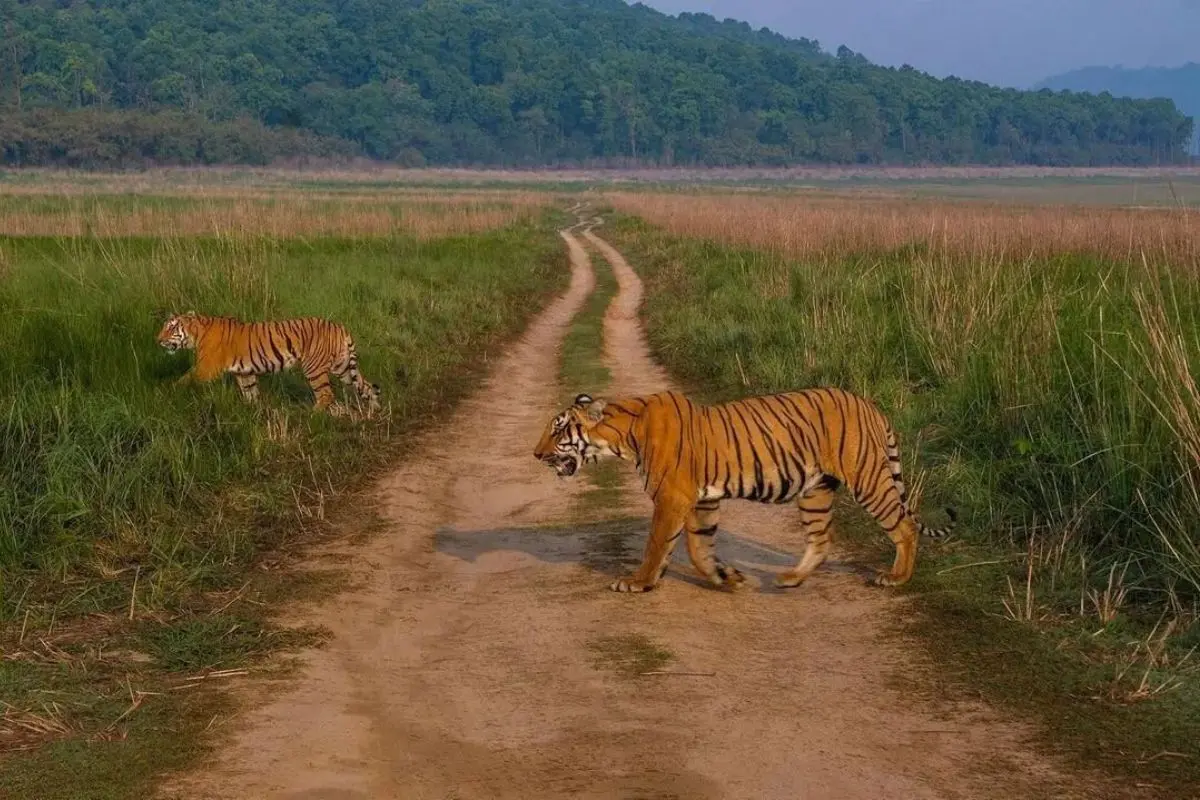
Nestled in the foothills of the Himalayas in Uttarakhand, Jim Corbett National Park is a paradise for wildlife lovers, nature photographers, and adventure seekers. Known as India’s first national park (established in 1936), it is also the birthplace of Project Tiger. Spread over 520 square kilometers of dense forests, grasslands, and riverine belts, Corbett is home to the majestic Royal Bengal Tiger, along with leopards, elephants, gharials, wild boars, deer, and more than 600 species of birds.
If you’re planning your next getaway into the wild, Corbett is one of the best places in India to experience the thrill of a jungle safari.
Why Visit Jim Corbett National Park?
- Thrilling Jungle Safaris – Spot tigers, leopards, elephants, and exotic birds.
- Rich Biodiversity – A perfect blend of flora and fauna.
- Adventure Activities – River rafting, trekking, and nature walks.
- Scenic Beauty – Picturesque landscapes with rivers, waterfalls, and hills.
- Family & Luxury Stays – From jungle resorts to riverside lodges.
Safari Zones in Jim Corbett
Corbett is divided into different tourism zones, each offering a unique wildlife experience:
- Dhikala Zone – Famous for tiger sightings, elephants, and scenic grasslands.
- Bijrani Zone – Popular for jeep safaris, dense sal forests, and wildlife spotting.
- Jhirna Zone – Open throughout the year, ideal for bird watching.
- Dhela Zone – A newer zone, rich in flora and fauna.
- Durga Devi Zone – Best for spotting leopards and fishing cats.
Best Time to Visit Corbett
- November to June – Best for tiger sightings (summer and pre-monsoon).
- December to February – Pleasant weather, great for bird watching.
- July to October – Monsoon; most zones remain closed except Jhirna & Dhela.
Things to Do in Jim Corbett
- Jeep Safari & Canter Safari in different zones.
- Bird Watching – Spot migratory and resident species.
- River Rafting in Kosi River (seasonal).
- Corbett Museum & Garjia Temple visits.
- Camping & Nature Walks near the park.
How to Reach Jim Corbett National Park
- By Air – Nearest airport: Pantnagar (80 km).
- By Rail – Ramnagar Railway Station (closest entry point).
- By Road – Well-connected with Delhi (250 km / 6 hrs).
Suggested Itinerary (2N/3D)
Day 1: Arrive in Ramnagar → Check-in at resort → Evening nature walk & bonfire.
Day 2: Morning jeep safari (Dhikala/Bijrani) → Breakfast → Relax at resort → Evening safari.
Day 3: Birdwatching walk → Visit Corbett Museum & Garjia Temple → Depart.
Where to Stay in Jim Corbett
Corbett offers everything from budget lodges to luxury resorts:
- Luxury: Aahana Resort, Taj Corbett Resort & Spa.
- Mid-range: Corbett Riverside Resort, Infinity Resorts.
- Budget: Forest Rest Houses (inside zones), small lodges near Ramnagar.
Here’s a blog-style visual tour of Jim Corbett National Park with four carefully selected images showcasing its wildlife and landscapes:
- A tiger walking down a forest path at dawn, its stripes blending with the serene woodland landscape.
- A herd of elephants crossing grassy plains—evoking the raw beauty of Corbett’s wilderness.
- A tiger lounging on a backroad, with safari vehicles in the backdrop—capturing the thrill of a jeep safari.
- A small deer standing amid dense foliage—highlighting the intricate biodiversity of the park.
A Visual Journey Through Jim Corbett National Park
1. A Majestic Tiger Amidst the Forest
A tiger emerging onto a forest track stands as a powerful symbol of Corbett. It’s a moment that defines the park—a rare glimpse into the secretive realm of India’s iconic predator. With the sun-dappled forest lighting up its golden coat, it’s a scene both thrilling and poetic.
2. Elephants in the Wild
The sight of elephants traversing the grasslands showcases Corbett’s signature landscapes that merge dense woodland with open fields and misty riverine belts. These creatures connect us to the wild spirit of the reserve, moving with grace and purpose.
3. Safari Moments: Wild Meets Human
A tiger casually resting on a trail with safari vehicles in view captures the unique chase-and-choreography of wildlife encounters. You’re close to nature, yet still an observer, and that tension lights up the experience.
4. Delicate Biodiversity
A small deer framed by foliage offers a glimpse into the park’s quieter residents. Corbett is home to a staggering variety: over 50 mammal species, more than 580 bird species, and at least 25 reptiles .
What Makes Jim Corbett Truly Special
India’s Pioneer in Tiger Conservation
Established in 1936 as Hailey National Park, it was renamed post-independence after Jim Corbett, a hunter turned conservationist. This was India’s first national park and the birthplace of Project Tiger—a landmark effort to save the Bengal tiger .
Rich, Diverse Ecosystems
Corbett spans roughly 520 km² of diverse terrain including hills, rivers, marshes, and grasslands . Forests—mainly sal, haldu, peepal, rohini, and mango—cover nearly 73% of the park, with grasslands accounting for around 10% .
Wildlife Highlights
- Tigers: In the latest census of 2022, the park had around 260 tigers .
- Elephants: About 1,100 elephants were recorded in 2019 .
- Other notable residents include leopards, sloth bears, deer species, wild boars, langurs, marsh crocodiles, and gharials .
- Corbett also boasts a rich birdlife—over 580 species of resident and migratory birds
When to Visit
- Best time: November to June—especially for tiger sightings and clear skies.
- Bird-watching paradise: Ideal from December to February.
- Monsoon period: July to October sees core zones like Dhikala close temporarily, but Jhirna and Dhela remain open year-round, offering great opportunities even in the rains .
Real Moments from the Field
Wildlife photographers and enthusiasts often share their magical experiences:
“Pedhwaali is the famous tigress of the Dhikala Zone at Jim Corbett National Park, India.” — a wildlife photographer on Reddit
“Captured this beautiful Brahminy Starling perched on a tree on a winter morning in the jungles of Jim Corbett National Park… Such a little but stunning bird!” — a visitor sharing their birding moment
These candid accounts remind us that Corbett is not just landscapes and species—it’s stories.
Ready to Create Your Own Corbett Story?
Imagine pairing these visuals with rich, narrative storytelling:
- Describe the anticipation of a morning safari, when forest mist mingles with birdcalls.
- Paint scenes of elephants bathing in mud or tiger cubs playfully following their mother.
- Add details like the scent of sal wood, sounds of the Ramganga River, and the thrill of spotting Be eaters or crested serpent eagles.
Would you like help constructing a full-length blog post with a weaving of visuals and prose? I can help design sections like “Moments in the Jungle,” “Wildlife Highlights,” “Safari Secrets,” and “Photography Tips”. Let me know how you’d like to proceed—I’m ready when you are!
Book your Jim Corbett Safari & Tour Package with DBS Travels for the best prices and curated experiences. – call- +919434086128 / +919933435779
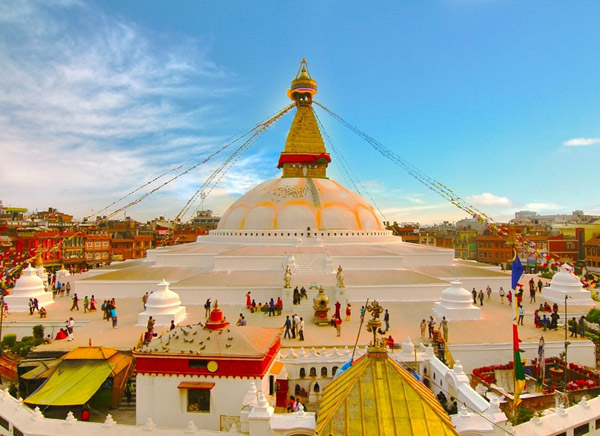
Here's a complete Nepal tour itinerary that covers cultural landmarks, natural beauty, adventure, and spiritual sites. This plan spans 12 Read more

Here are 10 of the top world tour destinations in 2025, based on travel trends, cultural richness, natural beauty, and Read more
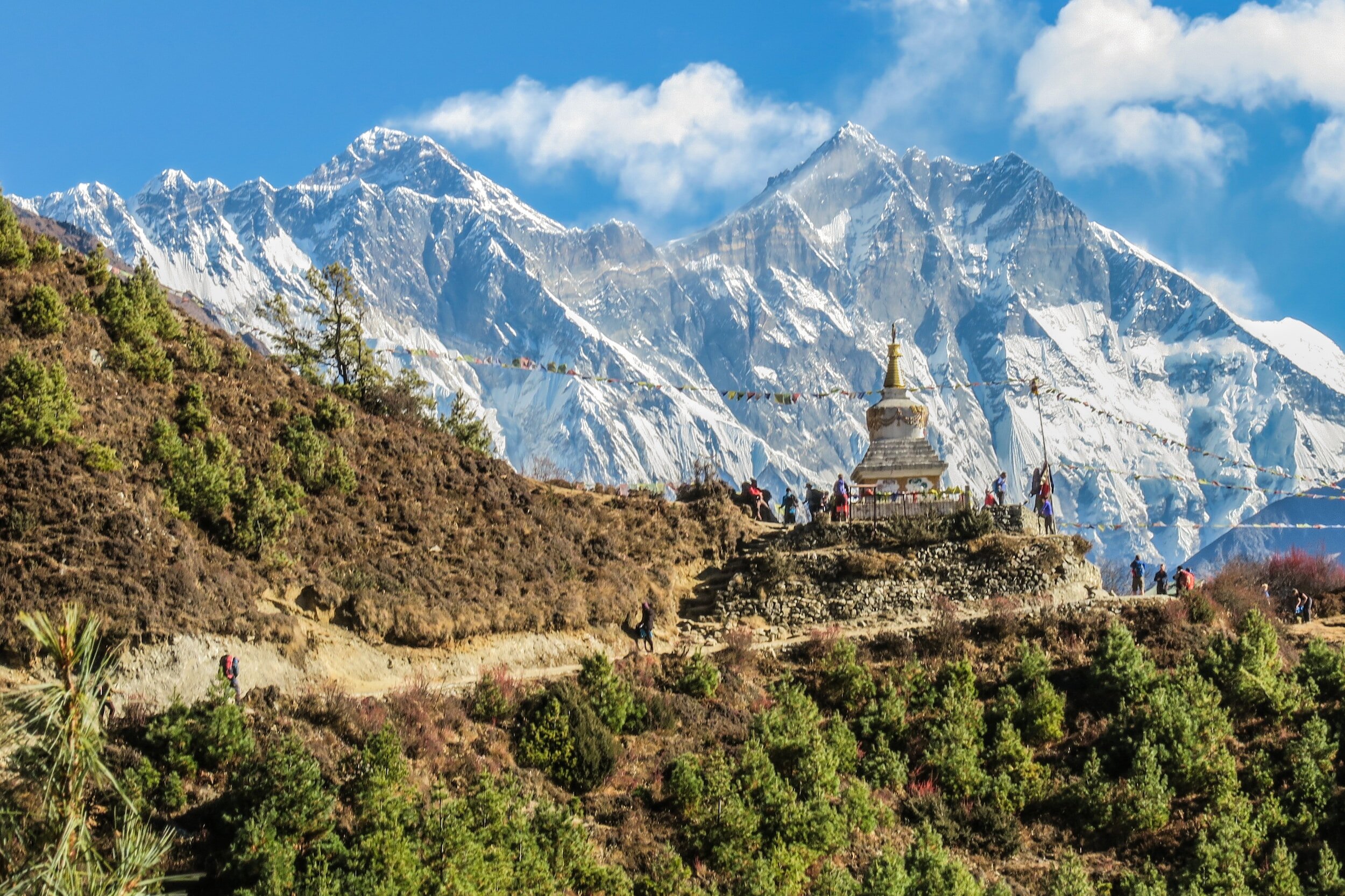
Planning a Nepal tour from India? Discover the best travel routes, tour packages, visa info, and must-visit places in Nepal Read more

Best luxury villas in north goa - Here’s a list of top-rated luxury villas in North Goa that offer premium Read more

One thought on “Jim Corbett National Park – A Complete Travel Guide”
Comments are closed.