Darjeeling is a beautiful hill station, but like every Himalayan destination, tourists often face seasonal challenges that can affect travel plans. Here’s a breakdown of seasonal problems in Darjeeling for tourists:
Spring (March – May)
- Unpredictable Rain – Sudden showers can disrupt sightseeing and outdoor plans.
- High Tourist Rush – Being peak season, hotels get expensive and crowded.
- Allergies – Pollen and dust may trouble sensitive travelers.
Summer (June – August / Monsoon Season)
- Heavy Rainfall & Landslides – Darjeeling receives intense monsoon showers, often causing landslides that block NH-10 and railway routes.
- Transport Disruptions – Flight delays at Bagdogra Airport and frequent road blockages.
- Leech Infestation – Common during treks in forests and tea gardens.
- Limited Outdoor Activities – Poor visibility and slippery paths affect sightseeing.
Autumn (September – November)
- Clear Views but Overcrowding – Post-monsoon skies are crystal clear, but tourist numbers are very high.
- Festival Rush – Durga Puja & Diwali lead to crowded markets and high hotel tariffs.
- Occasional Rain – In September, lingering showers may still occur.
Winter (December – February)
- Extreme Cold – Night temperatures can drop close to freezing. Not all budget hotels provide proper heating.
- Water Shortages – Pipes often freeze in some areas, causing supply issues.
- Road Blockages – In case of snowfall in higher areas (Sandakphu, Tiger Hill routes), roads may get blocked.
- Fog & Low Visibility – Winter fog sometimes hampers mountain views.
In short:
- Best Seasons: March–May and October–November (but crowded).
- Risk Seasons: June–August (landslides, rains) and December–January (extreme cold).
Here’s a month-wise tourist advisory guide for Darjeeling (with do’s & don’ts), written in a way that you can directly use on your DBS Travels website:
Darjeeling Tourist Advisory Guide – Month by Month
Darjeeling is a year-round destination, but each season brings its own charm and challenges. Here’s a practical month-wise guide with do’s and don’ts to help you plan a smooth trip.
March – May (Spring / Early Summer)
- Weather: Pleasant (10°C–20°C), blooming rhododendrons, clear skies.
- Best For: Sightseeing, toy train rides, tea garden tours, Tiger Hill sunrise.
Do’s
- Carry light woollens for chilly evenings.
- Pre-book hotels & toy train tickets (peak season).
- Visit Padmaja Naidu Zoological Park & Himalayan Mountaineering Institute.
Don’ts
- Don’t expect last-minute hotel deals (prices are high).
- Avoid overpacking, as you’ll walk uphill often.
June – August (Monsoon)
- Weather: Heavy rains, frequent landslides, lush greenery.
- Best For: Off-season discounts, quiet stays, monsoon photography.
Do’s
- Keep umbrellas, ponchos & waterproof shoes handy.
- Book flexible travel tickets (road & flight delays are common).
- Explore indoor attractions like monasteries, museums, cafés.
Don’ts
- Avoid trekking or long road journeys during heavy rains.
- Don’t walk on slippery hilly trails without proper footwear.
September – November (Autumn / Early Winter)
- Weather: Clear skies, best mountain views, festive atmosphere.
- Best For: Photography, festivals (Durga Puja, Diwali), outdoor sightseeing.
Do’s
- Carry light jackets & sweaters (nights get cold).
- Visit Mirik, Batasia Loop & Peace Pagoda for scenic views.
- Book in advance during Puja/Diwali season.
Don’ts
- Don’t rely only on cash; ATMs get crowded during festive rush.
- Avoid peak-day toy train rides unless pre-booked.
December – February (Winter)
- Weather: Cold (2°C–10°C), occasional snow in higher areas.
- Best For: Quiet romantic holidays, cozy stays, tea estate experiences.
Do’s
- Pack heavy woollens, gloves & thermals.
- Choose hotels with heating or fireplaces.
- Try winter delicacies like momos & thukpa.
Don’ts
- Don’t expect clear mountain views every day (fog is common).
- Avoid budget hotels without heating (nights are freezing).
- Don’t ignore road conditions before heading to higher viewpoints.
Quick Tips for All Seasons
- Always check road conditions (NH-10 is prone to landslides).
- Keep some cash (digital payments may not work in remote areas).
- Hire only registered taxis & guides for safety.
- Respect local culture and monasteries (remove shoes, no loud behavior).
With this month-wise advisory, DBS Travels ensures that you can plan your Darjeeling trip smartly—choosing the right season, carrying the right essentials, and avoiding last-minute hassles.
Book Your Gangtok Tour with DBS Travels
Contact Us: +91-9434086128 / +91 9933435779
Email: travelsdbs@gmail.com
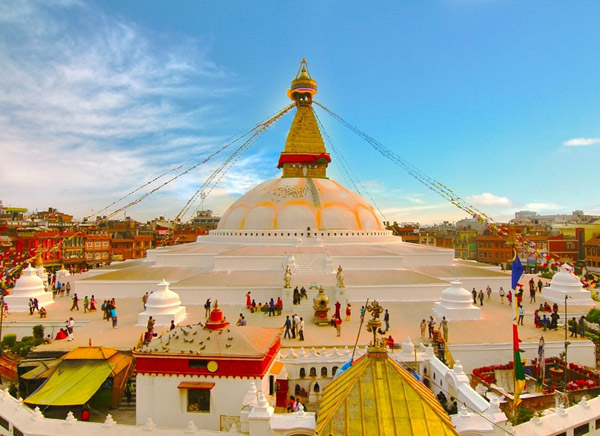
Here's a complete Nepal tour itinerary that covers cultural landmarks, natural beauty, adventure, and spiritual sites. This plan spans 12 Read more

Here are 10 of the top world tour destinations in 2025, based on travel trends, cultural richness, natural beauty, and Read more
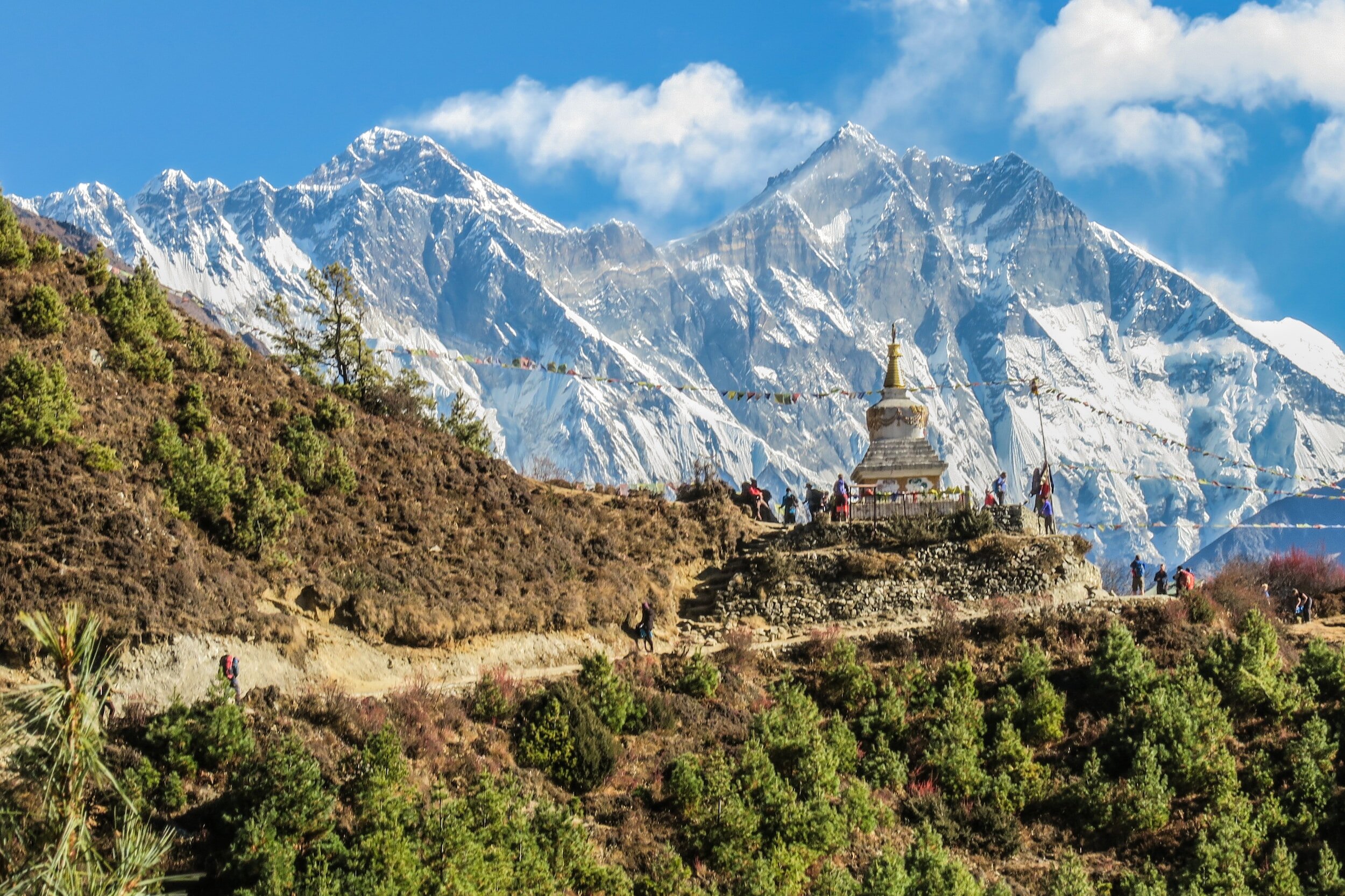
Planning a Nepal tour from India? Discover the best travel routes, tour packages, visa info, and must-visit places in Nepal Read more

Best luxury villas in north goa - Here’s a list of top-rated luxury villas in North Goa that offer premium Read more