Top Online Business Ideas for Beginners: 15 Ideas to Start
Top Online Business Ideas for Beginners
Starting an online business has become more accessible than ever. You don’t necessarily need a large office, expensive equipment, or a huge team to get started. With a computer, internet connection, the right skills, and a good business strategy, beginners can build an online business from almost anywhere.
However, choosing the right business idea can be challenging. There are thousands of opportunities available, but not every online business is suitable for beginners.
In this guide, we explore the top online business ideas for beginners that can be started with relatively low investment and gradually developed into profitable businesses.
Why Start an Online Business?
An online business offers several advantages compared with many traditional businesses.
Some potential benefits include:
- Lower startup costs
- Flexible working hours
- Ability to reach customers globally
- Opportunity to work from home
- Multiple ways to generate revenue
- Ability to automate repetitive tasks
- Scalability as your customer base grows
That doesn’t mean online businesses are easy or guaranteed to make money. Successful businesses require research, consistency, marketing, customer service, and continuous improvement.
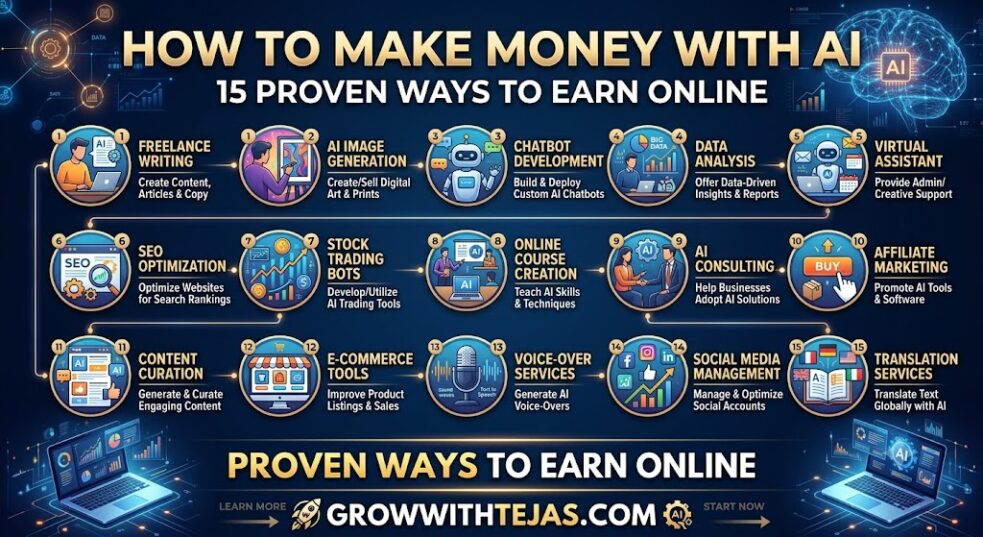
15 Top Online Business Ideas for Beginners
1. Start a Blog
Blogging is one of the most accessible online businesses for beginners.
You can create a website around a topic you understand or are willing to learn about. Examples include technology, travel, finance, digital marketing, education, food, lifestyle, or business.
You can monetize a blog through:
- Display advertising
- Affiliate marketing
- Sponsored content
- Digital products
- Lead generation
- Online courses
- Your own services
The key to successful blogging is creating useful content that solves real problems for your target audience.
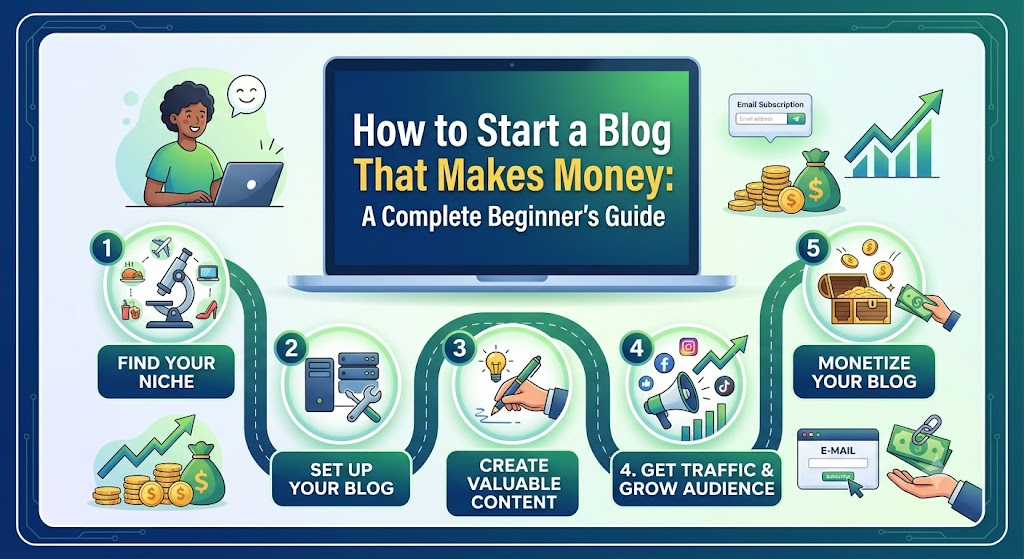
How to Start a Blog
- Choose a niche.
- Select a domain name.
- Purchase hosting.
- Set up WordPress.
- Research keywords.
- Publish useful articles.
- Promote your content.
- Build an audience.
- Monetize your traffic.
2. Affiliate Marketing
Affiliate marketing is another popular online business idea for beginners.
Instead of creating your own products, you recommend products or services from other businesses. When someone makes a qualifying purchase through your affiliate link, you may receive a commission.
You can promote affiliate products through:
- Blogs
- YouTube
- Social media
- Email newsletters
- Comparison websites
- Product reviews
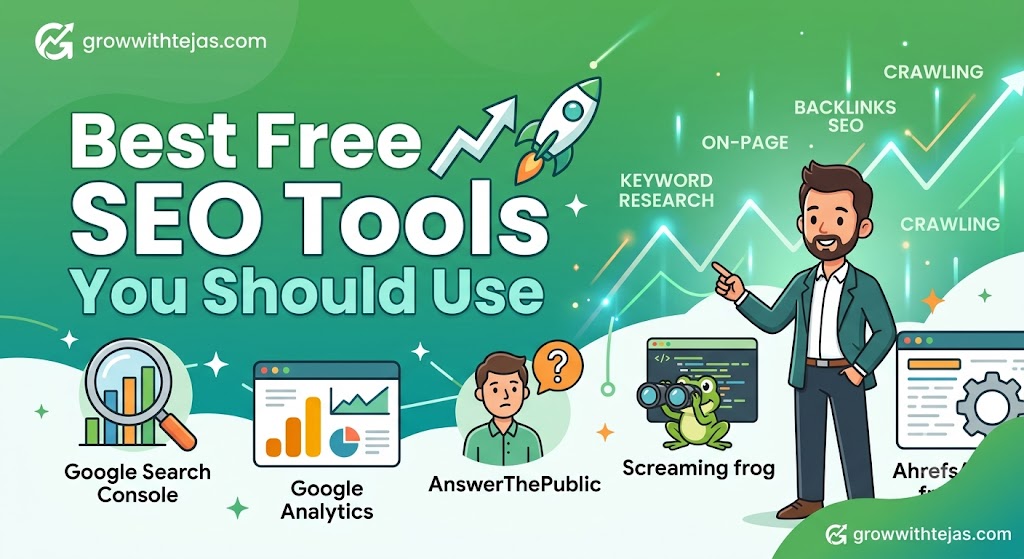
For example, a technology website could publish an article about the best SEO tools and include relevant affiliate links.
The most important rule is to recommend products that genuinely provide value to your audience.
3. Freelance Services
If you already have a useful skill, freelancing can be one of the fastest ways to start an online business.
Popular freelance services include:
- Content writing
- Graphic design
- SEO
- Web development
- Video editing
- Social media management
- Virtual assistance
- Data entry
- Translation
- Digital marketing
You can find clients through freelance marketplaces, social media, networking, and your own website.
As your experience increases, you can increase your rates and potentially turn your freelance operation into an agency.
4. Digital Marketing Agency
Businesses increasingly need help with their online presence.
You can start a small digital marketing agency offering services such as:
- SEO
- Local SEO
- Google Ads management
- Social media marketing
- Content marketing
- Website development
- Email marketing
- AI automation
A beginner doesn’t necessarily need to offer every service from day one.
Start with one or two services, develop expertise, acquire clients, and expand gradually.
5. Sell Digital Products
Digital products are attractive because they don’t require physical inventory or shipping.
Examples include:
- Ebooks
- Templates
- Checklists
- Excel spreadsheets
- Business documents
- Digital planners
- Canva templates
- SEO templates
- Educational resources
For example, you could create a downloadable Small Business SEO Checklist and sell it repeatedly through your website.
6. Create an Online Course
If you have expertise in a particular area, you can turn your knowledge into an online course.
Potential topics include:
- SEO
- Blogging
- Digital marketing
- WordPress
- Excel
- Photography
- Business
- Graphic design
- Coding
- Language learning
A well-designed course can be sold to many students without requiring you to teach every lesson live.
However, your course needs to provide genuine value and should be updated when information changes.
7. Start an Ecommerce Store
Ecommerce allows you to sell physical products through an online store.
You can sell:
- Clothing
- Home products
- Beauty products
- Handmade products
- Electronics accessories
- Food products
- Specialty products
You can create your own ecommerce website or use established marketplaces.
Before investing in inventory, research your target market, competitors, pricing, shipping requirements, and profit margins.
8. Print-on-Demand Business
Print-on-demand allows beginners to sell customized products without maintaining a large inventory.
Possible products include:
- T-shirts
- Mugs
- Posters
- Notebooks
- Phone cases
- Wall art
You create the design and list the product. When a customer orders, the print-on-demand provider produces and ships it.
Your main responsibilities are usually product selection, design, branding, marketing, and customer acquisition.
9. YouTube Channel
YouTube can become a powerful online business when you consistently create useful content.
You could create videos about:
- Technology
- Tutorials
- Travel
- Education
- Product reviews
- Business
- Finance
- Cooking
- Entertainment
- Digital marketing
Potential monetization methods include advertising, affiliate marketing, sponsorships, memberships, products, and services.
You don’t need expensive equipment to begin. A smartphone and good audio can be enough for many types of content.
10. Social Media Management
Many small businesses struggle to consistently create and publish social media content.
You can offer social media management services that include:
- Content planning
- Post creation
- Caption writing
- Scheduling
- Community management
- Basic analytics
- Social media strategy
Start by working with a small number of clients and develop a portfolio of results.
11. Website Development
Website development is a valuable online business opportunity because businesses need websites to establish their online presence.
Beginners can start by learning platforms such as WordPress and gradually develop more advanced web-development skills.
Services could include:
- Business websites
- Landing pages
- Blog websites
- Ecommerce stores
- Website redesigns
- Website maintenance
- Speed optimization
You can also create recurring revenue by offering website maintenance packages.
12. SEO Consulting
Search engine optimization can be turned into a service-based online business.
You can help businesses improve their visibility in search engines through:
- Keyword research
- On-page SEO
- Technical SEO
- Local SEO
- Content strategy
- Internal linking
- SEO audits
- Competitor research
SEO is particularly suitable for people who enjoy research, writing, analytics, and website optimization.
13. Online Coaching or Consulting
If you have professional experience or specialized knowledge, you may be able to offer online consulting or coaching.
Potential areas include:
- Business consulting
- Career coaching
- Marketing consulting
- Fitness coaching
- Education
- Productivity
- Financial education
Your expertise should be genuine, and where professional licensing or regulation applies, you should follow the relevant requirements.
14. Build a SaaS or Online Software Business
Software-as-a-Service, commonly called SaaS, can create recurring revenue through subscriptions.
You could build software that solves a specific problem, such as:
- Invoice generation
- Inventory management
- Appointment scheduling
- Customer management
- SEO reporting
- Business analytics
- Project management
SaaS can be highly scalable, but it generally requires more technical knowledge and ongoing maintenance than simpler online businesses.
Beginners who don’t know how to code can consider learning basic development skills or working with qualified developers.
15. Start an Email Newsletter
An email newsletter can become a valuable online business asset.
Choose a specific topic and regularly send useful information to subscribers.
Possible newsletter niches include:
- AI tools
- Digital marketing
- Business
- Technology
- Travel
- Career opportunities
- Personal finance education
- Online business
Once you develop an engaged audience, potential revenue sources include sponsorships, affiliate marketing, paid subscriptions, digital products, and courses.
Which Online Business Is Best for Beginners?
The best online business depends on your skills, budget, interests, and goals.
| Business Idea | Startup Cost | Skill Level | Growth Potential |
|---|---|---|---|
| Blogging | Low | Beginner | High |
| Affiliate Marketing | Low | Beginner | High |
| Freelancing | Very Low | Beginner–Intermediate | Medium–High |
| Digital Products | Low | Beginner–Intermediate | High |
| Online Courses | Low–Medium | Intermediate | High |
| Ecommerce | Medium | Beginner–Intermediate | High |
| YouTube | Low | Beginner | High |
| Social Media Management | Low | Beginner | Medium–High |
| SEO Services | Low | Intermediate | High |
| SaaS | Medium–High | Advanced | Very High |
There is no single business model that is best for everyone.
If you have limited money but useful skills, freelancing or digital services may be a good starting point.
If you prefer creating content, blogging or YouTube may be better.
If you want to build scalable digital assets, digital products, courses, or software may be worth exploring.
How to Choose the Right Online Business
Before starting, ask yourself these questions:
What skills do I already have?
Starting with existing skills can reduce your learning curve.
How much money can I invest?
Choose a business model that matches your available budget. Don’t spend heavily before validating your idea.
How much time can I dedicate?
Some businesses require daily involvement, while others can gradually become more automated.
Who is my target customer?
A clear target audience makes marketing and product development much easier.
What problem can I solve?
Successful businesses generally solve a problem or fulfill a demand.
Can the business scale?
Think about whether you can increase revenue without increasing your workload at the same rate.
How to Start an Online Business With Little Money
You don’t need thousands of dollars to test many online business ideas.
A simple approach is:
Step 1: Choose one specific business idea.
Step 2: Identify your target customer.
Step 3: Research competitors.
Step 4: Create a simple offer.
Step 5: Build a basic website or online profile.
Step 6: Find your first potential customers.
Step 7: Collect feedback.
Step 8: Improve your product or service.
Step 9: Start marketing consistently.
Step 10: Reinvest profits into growth.
The objective is to validate your business before making a large investment.
Common Mistakes Beginners Should Avoid
Trying Too Many Ideas
Starting five businesses simultaneously can make it difficult to build any of them properly.
Choose one business model and focus on it.
Expecting Instant Income
Online businesses usually take time to develop. Avoid unrealistic promises of overnight success.
Ignoring Customer Needs
Don’t create a product simply because you like the idea. Find out whether people actually need it.
Spending Too Much at the Beginning
Start small, test your concept, and scale after you have evidence of demand.
Copying Competitors
Study competitors, but build your own brand, positioning, and value proposition.
Giving Up Too Early
Many online businesses require months of testing before you discover what works.
A Simple 90-Day Online Business Plan
Month 1: Research and Setup
- Select a niche.
- Define your target customer.
- Research competitors.
- Choose your business model.
- Create your website or online profile.
- Develop your first product or service.
Month 2: Launch
- Start marketing.
- Publish useful content.
- Contact potential customers.
- Test your pricing.
- Collect feedback.
- Improve your offer.
Month 3: Grow
- Focus on the channels producing results.
- Improve your website.
- Build an email list.
- Create additional offers.
- Automate repetitive tasks.
- Reinvest some revenue into marketing.
Final Thoughts
The top online business ideas for beginners are not necessarily the ones promising the fastest money. The best opportunity is usually one that matches your skills, solves a real problem, requires an investment you can afford, and has room to grow.
Blogging, affiliate marketing, freelancing, digital marketing, digital products, ecommerce, YouTube, SEO services, online courses, and software are all potential paths.
Start small, learn continuously, test your idea, listen to customers, and improve your business over time.
You don’t need to build a huge online business on day one. Start with one useful product or service and focus on getting your first real customer.